
Why People Drink: Researcher Looks at Genetics and Peer Pressure
Alcoholics who are trapped in the cycle of addiction continue to return to the very substance that is destroying their life. They may do this despite an overwhelming desire to stop drinking once and for all. Alcoholics often discover this effect early on in their drinking career. As addiction takes hold, the afflicted person continues to drink despite evidence that alcohol is no longer providing any semblance of stress relief.
Social and Psychological Causes of Alcoholism
In the midst of it, many people begin drinking alcohol as a way to cope. The immediate effects of alcohol may blunt emotional pain, help with sleep, or quiet anxious thoughts—at least temporarily. In this article, we explore the many reasons people drink and the factors that may influence when, how often and why people use alcohol. We also provide tips on what an individual can do if they don’t feel in control of their alcohol consumption. Genetic influences play a significant role in an individual’s susceptibility to alcohol use and potential abuse.
Understanding why and how people drink alcohol
This cycle can lead to increased alcohol consumption, as individuals feel the need to drink more to manage their discomfort. Over time, this can result in alcohol dependence, emotional instability, and other alcohol related issues.DepressionAlcohol is a depressant, and its effects on mood can be deceptive. Some people use it to feel more relaxed or emotionally numb, especially when Substance abuse dealing with sadness, hopelessness, or low energy. In reality, alcohol interferes with brain chemistry, contributes to low motivation, and disrupts sleep—making depression harder to manage. In these situations, alcohol consumption may feel like the only available relief.However, alcohol does not address the root of trauma. In fact, it can worsen PTSD symptoms, such as irritability, nightmares, or emotional detachment.
Underage And Young Adults
But researchers say using marijuana seems to intensify that property.If marijuana encourages you to drink more, you could develop an alcohol use disorder in time. You could also be more prone to getting overly drunk and the risks that https://bestessaysmanchester.co.uk/crucial-information-on-the-connections-between/ come with it, like alcohol poisoning and blacking out. While many people who drink alcohol don’t use any drugs or other intoxicating substances, it’s not uncommon for people to combine substances either. BAC measurements can be utilized in medical settings to measure the severity of alcohol intoxication and monitor withdrawal symptoms.

A more precise test of the interactional hypothesis would be situation-specific. In this study, people were asked about alcohol consumption in the past month, general reasons for drinking, and current stress. Ideally, alcoholism statistics alcohol consumption, reasons for drinking, and environmental circumstances would all refer to the same specific event (cf. Corcoran & Parker, 1991). A diary or in-depth interview study would allow for the use of more sensitive measures than were possible in the large-scale survey described here.
Biofeedback therapy (or neurofeedback therapy) uses an electroencephalograph (EEG) to train the brain to function more efficiently. An EEG listens to a patient’s brainwave activity to help them identify triggers and stress-induced psychological responses. Alcohol is a depressant, which means it slows down the central nervous system (CNS). According to the most recent data collected by the NSDUH, 12.6 million adolescents and young adults ages 12 to 20, or 33.1% of this age group, have tried alcohol at least once. The NSDUH found that more than 29 million people ages 12 and older had AUD in (10.5% of adults).
Boca Recovery Center is proud to be part of this inclusive and supportive community, with our luxury addiction treatment centers in Florida, New Jersey, Indiana, and Massachusetts. If you’re struggling with alcohol addiction and you want to get treatment in an upscale and experienced rehab, explore our rehab centers and reach out to us to learn more or to begin your transformation. Alcoholism needs long-term (and potentially lifelong) management and treatment, much like other chronic diseases such as hypertension and diabetes. Without appropriate treatment, the symptoms and effects of alcoholism will get worse, which is again similar to other recognized diseases. Researchers have tied the ALDH1A1 gene to a slow form of alcohol processing. People with this gene may not enjoy drinking as a result, and they may drink less because of it.
Instead, the behavior becomes driven by a need to maintain chemical balance in the brain. These symptoms can include anxiety, irritability, tremors, and even insomnia. It reduces the number of dopamine receptors and increases dopamine transporters, which means people need more alcohol to feel the same effects. This process often leads to dependence as the brain becomes less responsive to natural sources of pleasure. Risk-taking behavior in youth is not uncommon, but when it involves alcoholic beverages, the consequences can be serious.
- In midlife, alcohol may be integrated into professional networking or family gatherings.
- Whether motivated by loneliness, psychological pain, or social influence, using alcohol in place of treatment is risky.
- These techniques help individuals learn how to recognize, manage and respond to their emotions in productive ways without relying on substances like alcohol.
- Repeated exposure to alcohol also affects neurotransmitters like dopamine and serotonin, which are responsible for mood regulation.
- From ancient fermentation practices to modern-day social rituals, alcohol consumption has become deeply ingrained in many cultures around the world.

At the Center for Network Therapy (CNT), we work with individuals at all stages of change; whether they’re detoxing for the first time or simply exploring what life could feel like without alcohol. Whether you decide to cut back, take a break, or seek support, it’s your path to define. Underage drinking is defined as anyone who drinks below the legal age limit, which is 21 years old in the United States.
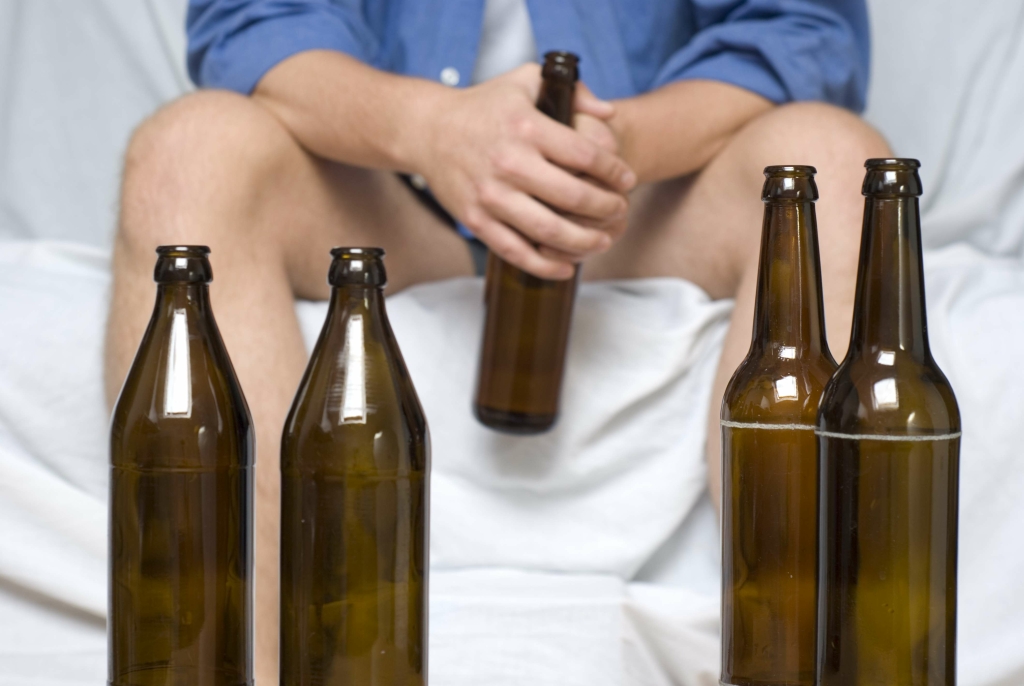
Does Alcohol Really Make Us Happier?
The stress response becomes more sensitive, sleep becomes disrupted, and mood swings become more common. In many cases, individuals are not drinking for pleasure anymore, but to avoid discomfort or withdrawal. Where and how someone is raised has a major impact on their relationship with alcohol.